

When you decide to sell your property management business, the rent roll is your most significant asset. It is the engine that generates recurring revenue and the primary factor in determining your company's valuation. However, many owners mistake a large door count for a high-value business. In reality, a "dirty" rent roll: one with missing data, expired contracts, or low-margin accounts: can significantly decrease your multiplier.
Preparing for a sale is not about a last-minute polish. It is a systematic process of cleaning your data and tightening your operations. Buyers are looking for predictability and low risk. If your files are a mess, a buyer will assume your management is a mess too. They will either walk away or demand a steep discount to cover the "risk" they are inheriting.
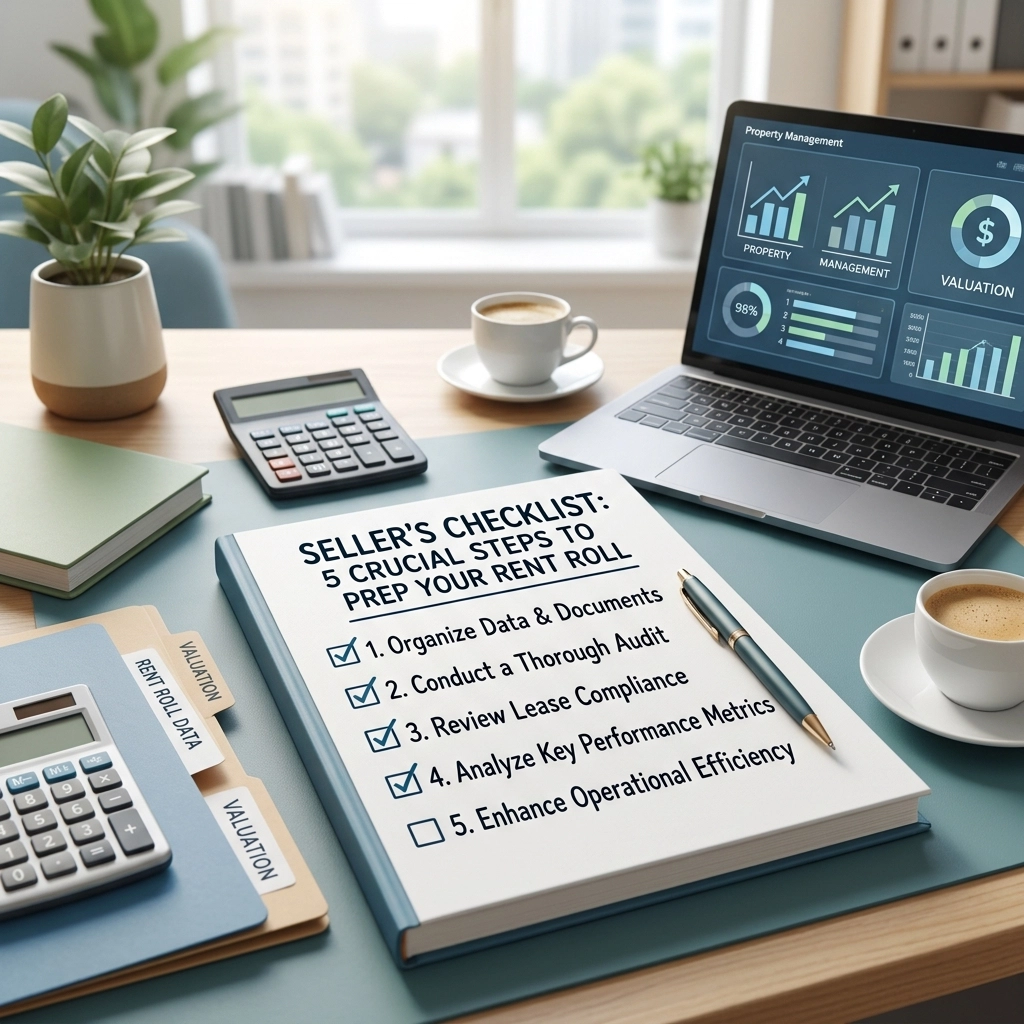
By following this checklist, you can ensure your portfolio is "investor-ready." This preparation allows you to defend your asking price and move through due diligence with confidence.
1. Audit and Standardize Your Management Agreements
The foundation of your rent roll is the Management Agreement. If these documents are not valid, current, and properly executed, your revenue is legally unprotected. A buyer cannot pay for income that isn't secured by a signed contract.
Start by reviewing every single agreement in your portfolio. Ensure that the names of the owners and the legal entities match the title records. Look for missing signatures or dates. If you find outdated forms that no longer comply with current state legislation, you must replace them before going to market.
Crucially, check for an "assignability" clause. This clause allows you to transfer the contract to a new owner without needing a fresh signature from every landlord. If your contracts lack this, you may face a "retention" nightmare during the sale process. Standardizing these agreements now creates a clean slate for the buyer and proves your portfolio is stable.

2. Scrub Your Portfolio Data for Accuracy
Dirty data is a deal-killer. During due diligence, a buyer will export your rent roll into a spreadsheet and look for inconsistencies. If they find that the rent listed in your software doesn't match the actual bank deposits, they will lose trust in all your other reporting.
Clean up your arrears immediately. A high delinquency rate suggests poor management or a low-quality tenant base. Both of these factors will lower your multiplier. You should also ensure that all lease expiration dates, security deposit amounts, and move-in dates are accurately recorded in your property management software.
Don't forget to review your fee structures. If you have "legacy" clients who are paying significantly less than your current market rate, you should consider adjusting them or documenting why they are discounted. Buyers prioritize how property management businesses are valued based on "Effective Gross Income." If your data is clear, the buyer can see exactly where the money is coming from.
3. Stabilize Your Portfolio Mix and Density
A rent roll is more than just a list of doors; it is a geographic and demographic profile. Buyers prefer "dense" portfolios where properties are clustered together. This reduces travel time for maintenance and inspections, which increases profit margins.
Analyze your owner-to-property ratio. If one landlord owns 20% of your doors, that represents a massive concentration risk. If that one owner decides to leave after the sale, the buyer loses a huge chunk of revenue. If you have high concentration, start working on diversifying your client base at least a year before you sell.
Identify and remove "problem" properties. These are the low-rent, high-maintenance units that consume 80% of your team's time but generate only 20% of your revenue. Getting rid of these "D-class" properties might lower your door count, but it will often increase your overall company value by improving your margins. Buyers pay more for a "lean" portfolio than a "bloated" one.

4. Verify Compliance and File Completeness
In property management, what you can't prove doesn't exist. A buyer will want to see that every property is fully compliant with local and federal laws. This includes up-to-date smoke detector certifications, lead-based paint disclosures, and habitability reports.
Go through your digital and physical files to ensure you have a complete history for each property. This includes the original move-in inspection, photos of the property condition, and all communication logs. If a buyer sees gaps in your documentation, they will worry about future lawsuits or liability.
Check your insurance policies and ensure your business is protected against past errors. A "squeaky clean" compliance record gives you immense leverage during negotiations. It tells the buyer that they won't spend the first six months after the acquisition fighting fires or cleaning up legal messes. For more on this, read about what buyers really look for in a property management business.
5. Prepare Detailed Financial and Operational Reports
Transparency builds trust, and trust builds value. You need to produce a "trailing 12-month" (T12) report that shows the income and expenses for the business over the last year. This should be broken down by category, showing management fees, leasing fees, and ancillary income separately.
Create a master rent roll spreadsheet. This document should list every property, the monthly rent, the commission percentage, and the average length of stay for the tenant. This allows the buyer to perform their own "stress test" on your revenue. If you can provide this data quickly and accurately, it shows that you have a solid sales system and professional operations.
Don't wait for the buyer to ask for these documents. Having them ready on day one shows that you are prepared and serious. It shortens the due diligence period and reduces the time the business spends "under contract," which is the most vulnerable time for any seller. High-quality reporting often leads to higher multipliers because it reduces the buyer's perceived risk.

Moving Toward a Successful Exit
Preparing your rent roll for sale is a marathon, not a sprint. It requires a critical look at your own business and a willingness to fix issues that may have been ignored for years. However, the effort pays off. A clean, organized, and compliant portfolio is far easier to sell and commands a much higher price in the open market.
Many owners find that 8 signs it might be time to sell appear long before they are actually ready to list. By starting these five steps today, you ensure that when you are ready to walk away, you can do so on your own terms.
If you are unsure where to start or want to know the current market value of your rent roll, it may be time to consult with an expert. At PM Business Broker, we help owners navigate these complexities with discretion and professional guidance. You can explore your options by visiting our services page or contacting us for a confidential conversation.

